We're hiring! Visit our careers page to learn more!



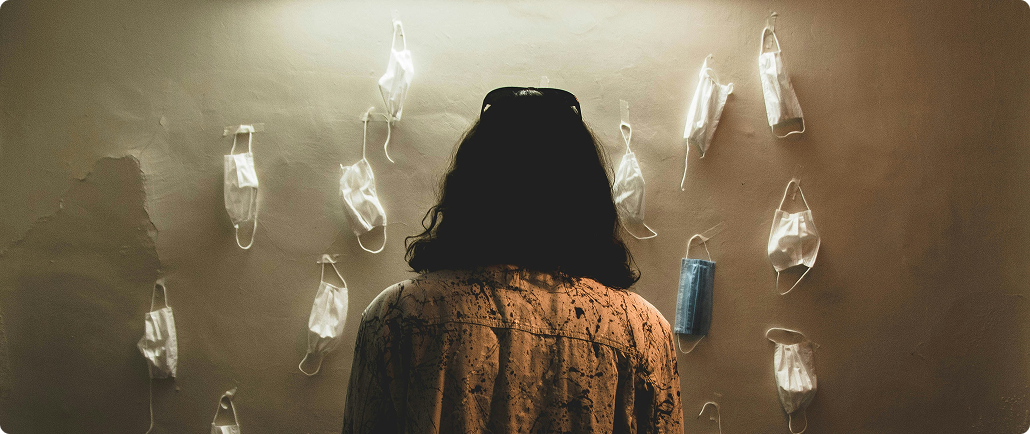
For most, the pandemic is “over”. Masks are gone, offices have opened, and social outings are back on the calendar.
But there is still a lingering anxiety.
Even though we are a few years removed from the pandemic, you may feel disconnected from others, experience increased health worries, and experience panic symptoms. You’re not alone. Post-COVID anxiety is still a present issue affecting people in various ways. At Inner Balance, we’ve seen firsthand how the emotional impact of COVID-19 continues to affect people’s mental well-being even years later.
This article explores why anxiety may still be present, how loneliness and relationship changes play a role, and what healing can look like now.
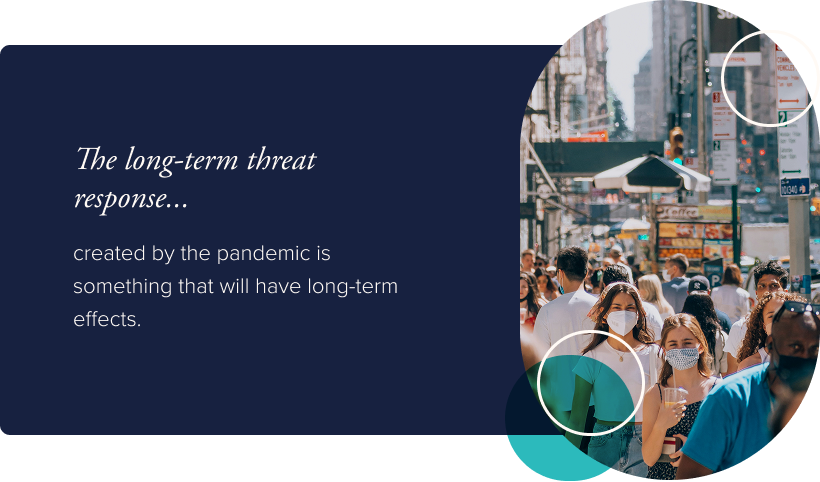
You went through a prolonged threat experience. This will have long-term effects on your nervous system.
For more than two years, we lived in a state of collective uncertainty. We had to stay away from other people, monitor symptoms, and prepare for the worst. Even if you weren’t directly affected medically, your body and brain absorbed a lot of stress.
Anxiety is not only a thought pattern, but it’s also a physiological response. When you spend an extended time in survival mode, the brain becomes highly attuned to danger cues. That sensitivity doesn’t always switch off the moment the external threat decreases.
You may experience:
Anxiety can resolve when safety feels consistent. However, many aspects of life haven’t returned to what they once were.
Here’s what changed, and why it matters:
Relationships moved online, work went remote, and even now, many friendships and professional connections remain digital-first.
While technology kept us connected, it often lacked the depth and spontaneity of in-person interaction. Physical presence regulates the nervous system in ways that screens cannot. Hugs release oxytocin, co-regulation happens, and communication is easier.
If you feel lonelier now than before the pandemic, you’re not imagining it.
Even if you didn’t lose someone close to you, you may have experienced:
Unprocessed grief often shows up as anxiety.
During the pandemic, we were encouraged to track symptoms and assess risk constantly. For some, that vigilance has never fully quieted.
Post covid health anxiety may look like:
This doesn’t mean something is medically wrong. It often means your brain learned to equate hyper-awareness with safety.
It’s possible.
Research has found increased rates of anxiety and depression following COVID infection, particularly among individuals experiencing lingering symptoms. A study indexed on PubMed highlights associations between post-COVID conditions and mental health symptoms.
Post-COVID anxiety can be influenced by:
For some individuals, there may be biological contributions related to inflammation or nervous system disruption. For others, it’s primarily psychological and social.
Both are valid. Both are treatable.

Some people report experiencing panic attacks for the first time after the pandemic.
Post covid anxiety attacks often include:
If you’ve recently had COVID and experience these symptoms, it’s obvious how these can be confused with a medical issue. This can exacerbate feelings of anxiety, worsening anxiety symptoms, and therefore making the fear worse.
The pandemic didn’t just isolate us physically. It changed how we relate.
Even subtle changes, like fewer spontaneous conversations at work or less physical affection, can impact emotional well-being.
If you’re struggling with post covid anxiety, it may not just be about the virus; it may be about feeling untethered.
Related Article: Existential Loneliness
Recovery doesn’t mean pretending the pandemic didn’t happen. It means integrating the experience and reconnecting with safety.
Here are evidence-informed approaches that help:

If social anxiety increased, start small:
Rebuilding comfort in social interactions is about consistency, not intensity.
Notice patterns like:
Try delaying the behavior rather than eliminating it abruptly. This builds tolerance to the uncomfortable feelings.
Many people never paused to reflect on how the pandemic affected them.
Therapy can help you explore:
If you’re not ready for in-person sessions, online therapy can be a flexible starting point.
Related Resource: Online Therapy,
Practices that help:
Co-regulation, being physically present with safe people, is especially powerful.
Anxiety often whispers:
Your brain is adaptive. It learned from an unprecedented global event, but it can heal from the scars COVID left behind.
Consider reaching out if:
You don’t need to wait for things to become severe.
At Inner Balance, we approach COVID-related anxiety with compassion, not assumptions. We understand that your experience is personal. For some, the work centers on health anxiety. For others, it’s about rebuilding trust in relationships. Often it’s both.
One of the hardest parts of post covid anxiety is feeling like everyone has moved on. Social media can amplify that belief. However, many people are quietly navigating:
Healing doesn’t follow a public timeline.
If you’ve been asking yourself:
The answer is rarely simple, and that’s understandable.
The pandemic alters how we relate, how we feel safe, and how we connect. It makes sense that your nervous system hasn’t fully recalibrated yet.
The good news is that with support, awareness, and intentional connection, it can.
If you’re ready to begin rebuilding a sense of calm and connection, Inner Balance is here to help. Reach out to schedule a 15-minute consultation and start healing from COVID-related anxiety.
Sign up with your email address to receive news and updates.

%201.svg)
With both in-person and online therapy options, we want to make therapy accessible and inclusive.
Your message will be sent directly to the therapist or counselor via email. Email is not fully secure during transit, so please avoid sharing sensitive information such as medical or insurance details. Your messages are also stored securely in our protected message center, accessible only to the professional you contact.
By using this form, you agree to our Privacy Policy and Terms, and consent to your message being sent and stored as described.
If this is an emergency do not use this form. Call 911 or your nearest hospital.
This site is protected by reCAPTCHA and the Google Privacy Policy and Terms of Service apply.