We're hiring! Visit our careers page to learn more!



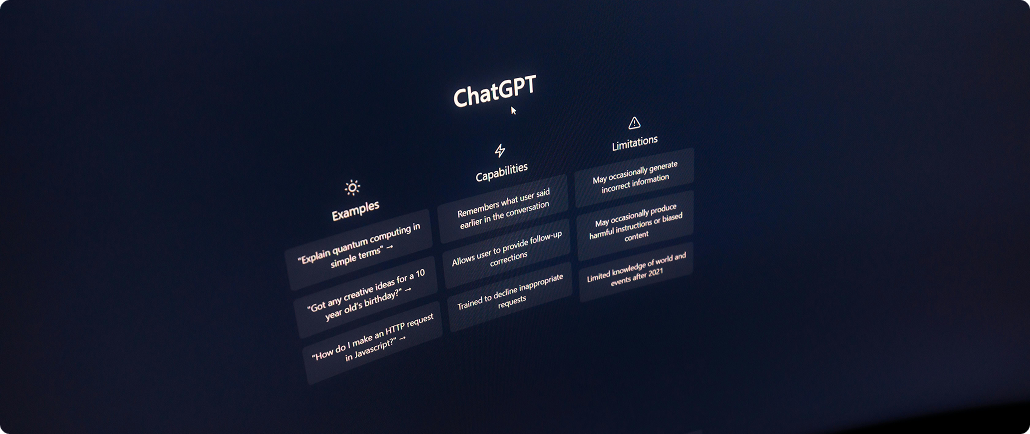
Artificial intelligence tools, like ChatGPT, Google Gemini, and Grok, can be extraordinarily useful—from planning a trip to rewriting emails more professionally; from writing code to make your job faster to reading your horoscope.
Like all things, they can be used to an unhealthy amount or for unhealthy reasons. The technology behind AI is far from perfect, and it has led to the spread of misinformation and even major mental health disorders. AI chatbots in particular, have contributed to a relatively new and unique phenomenon called AI psychosis.
AI psychosis is the delusions or hallucinations that are caused by or exacerbated by using AI. It happens to those who are already predisposed to psychosis and have excessive interactions with AI chatbots. Some call it “falling down the rabbit hole” of AI, but psychosis is a bit more extreme than that. It’s a dramatic shift in a person’s way of thinking or how they act.
It’s not a clinical diagnosis, but it does share symptoms of other mental health issues like schizophrenia, dissociative disorders, and psychotic breaks.
AI psychosis is a disconnect from reality, and the most common way it manifests is when someone believes the chatbot they’re talking to is sentient. They use the chatbot as emotional support or a therapist, and the bot’s answers make them believe that it really cares, is there for support, and is giving them legitimate advice or information.
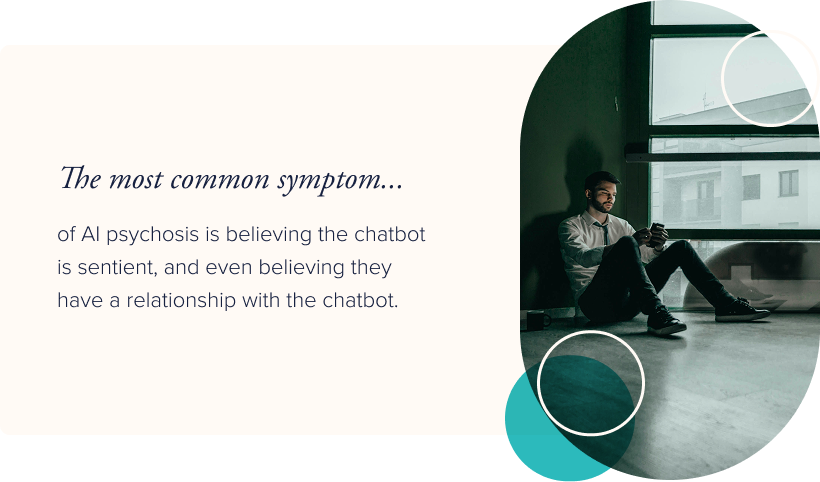
Some other symptoms of AI psychosis include:
What sets AI psychosis apart from other psychosis episodes is the trigger. All of the symptoms of AI psychosis are triggered by excessive AI use.
The crux of the problem is that people are using this technology for an extraordinarily human need—emotional connection. Most AI psychosis cases are from people turning to AI chatbots for mental health needs or friendly advice. However, AI chatbots have several shortcomings that, with extended use, can trigger psychosis.
When you use AI as a research tool, it pulls information from all over the web. However, it doesn’t vet the sites it pulls information from or verify information from multiple sources. It can also pull opinions and present them as facts. Someone can develop a disconnect from reality because they’re seeing false, even dangerous information.
Things can get a little more nefarious when using the chatbot more conversationally. Many AI models are designed to agree with the user. Reinforcing the opinion of the user keeps them engaged with the chatbot, which is the tech’s ultimate goal.
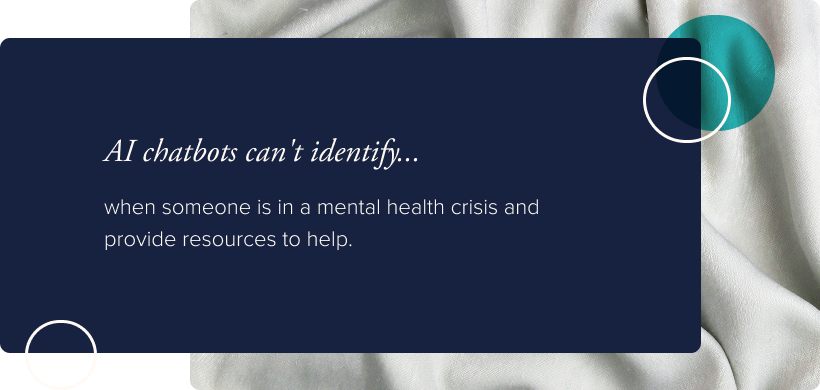
No matter what someone inputs, the AI will try to keep the conversation going, encouraging whatever thoughts a person inputs. It can’t recognize when a person needs mental health support and present resources that someone needs but may not necessarily be searching for, as many traditional search engines, like Google, do.
When someone starts discussing serious mental health issues or something related to their delusions, the AI doesn’t recognize that there may be something wrong with the user, just that it needs to reinforce what they’re saying.
Part of keeping the conversation going is the AI bot using past chats to adapt its voice and tone to match the user’s. This leads many people to feel like they’re really talking to another person who cares about them.
AI chatbots don’t often have “off-limit” subjects. In addition to answering objective questions, they will attempt to offer advice or have conversations that two friends, or even a therapist and client, may have. These conversations are only based on what it can pull from the internet and previous chats. AI doesn’t have emotional intelligence to offer meaningful responses—but it can mimic emotional intelligence, creating the illusion of intimacy.
AI is, for the most part, a new frontier in technology. We need to go in slowly to fully understand the effect it can have on our mental health. If you’ve noticed a shift in your or a loved one’s personality, this will help someone pull back from AI.
AI pulls information that’s available through other avenues. Instead of looking everything up through AI chats, use a traditional search engine, a book, or ask a friend. It’s important to limit your AI usage and re-learn how to utilize other resources. Delete the app or block the site, and use what else is available to answer your questions.
It may be necessary to cut back on all technology use. Put time limits on your phone and computer, and go analog to re-ground yourself.
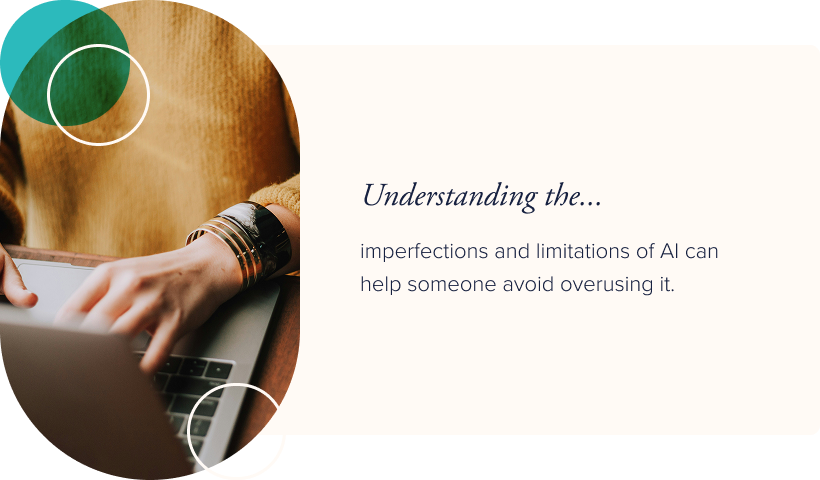
Once you understand the limitations of AI, it’s possible to recognize how it isn’t serving you well. Once again, it can be an incredibly valuable tool, but it can’t be used blindly.
It’s a technology that is a work-in-progress at best, and dangerous at worst. Recognize that AI can’t read between the lines to pull correct and relevant information, nor can it show the emotional intelligence needed for emotional support.
Much of AI psychosis is triggered when someone uses AI as a replacement for interpersonal interactions. It’s important to turn to your support system for help. They know you, your past, and the resources you may need, and they have their own well of knowledge that they can use to help. They can help keep you grounded, find a hobby to replace AI use, or support you during treatment.
Psychosis, no matter what the trigger is, is a mental health issue. It can only be treated by a professional therapist. If you start to notice that you’re starting to show symptoms of AI psychosis, even mildly, reach out to a counselor. They can help you identify why you’re leaning on AI, how to replace bad computer habits with healthier ones, and work through the root of the issues that put you at risk for psychosis.
We’re not technology experts at Inner Balance, but we deeply understand the ever-evolving relationship between technology and our mental health. We want to help you navigate the modern world while still finding inner peace.
While we have extensive experience dealing with a variety of mental health issues, we also provide as much information about mental health as possible. If you feel you’re starting to lose yourself, give us a call. We can get to the root of the issue and provide you with extensive knowledge about AI psychosis to help in your treatment.
Reach out to start your journey today.
Sign up with your email address to receive news and updates.

%201.svg)
With both in-person and online therapy options, we want to make therapy accessible and inclusive.
Your message will be sent directly to the therapist or counselor via email. Email is not fully secure during transit, so please avoid sharing sensitive information such as medical or insurance details. Your messages are also stored securely in our protected message center, accessible only to the professional you contact.
By using this form, you agree to our Privacy Policy and Terms, and consent to your message being sent and stored as described.
If this is an emergency do not use this form. Call 911 or your nearest hospital.
This site is protected by reCAPTCHA and the Google Privacy Policy and Terms of Service apply.