We're hiring! Visit our careers page to learn more!




When was the last time you actually felt relaxed? Has it been so long that you forgot what it feels like?
For many of us, relaxing is easier said than done. Even when you feel the physical and mental stress that you carry from day to day, it can feel impossible to just let go and allow yourself to relax.
In this guide, we’ll take a look at why it can be so hard to relax and share practical ways to calm both your body and mind.
Think about all of the routines, responsibilities, and typical frustrations that you face on any ordinary day. This makes up your baseline stress levels, and it doesn’t even account for any curveballs that life might throw your way.
To make matters worse, it’s common to feel completely busy from the moment your morning alarm wakes you up until you’re finally able to crawl into bed at night. This can make you feel guilty for taking any time to relax, as if slowing down is somehow unproductive or selfish.
The problem is, physical and mental stress doesn’t go away on its own. Without taking time to reset your stress levels, it builds up day by day until you’re completely exhausted, overwhelmed, or burnt out.
Many of the relaxation techniques that people often turn to only distract them from their stress. Scrolling through your phone, catching up on your favorite series, or unwinding with a drink can all be enjoyable activities, but they don’t actually help you rest and recover.
True relaxation begins with allowing yourself to let go, both physically and mentally. Physically, it means easing the tension your body holds from daily stress. Mentally, it involves giving yourself permission to step back from your constant thoughts and worries so your mind can actually settle and find calm.
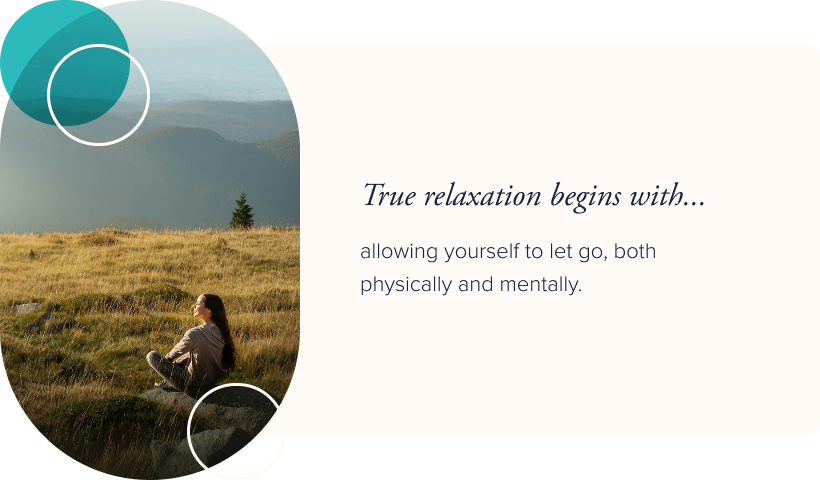
Being physically relaxed feels like a gentle release of tension throughout your muscles. Your shoulders drop, your jaw softens, and your breathing slows. There’s a noticeable sense of lightness and ease in your body, as if the weight of the day has lifted.
Actively working on relaxing the body is important because it:
Taking even a few minutes each day to intentionally release tension in the body can make a big difference, as it helps your body feel lighter and more prepared to handle stress.
The neck is one of the most common places where people carry stress. Long hours at a computer, looking down at your phone, or simply holding tension throughout the day can cause the muscles around your neck and shoulders to tighten.
A simple way to release this tension is through gentle stretching and awareness of posture. Slowly roll your shoulders back and down, tilt your head side to side, and take a few slow breaths while allowing your neck muscles to soften. Heat therapy, light massage, and short breaks from screens can also help loosen tight muscles.
Many people clench their jaw without even realizing it, especially during moments of stress or concentration. Over time, this tension can lead to headaches, facial soreness, and even difficulty sleeping.
Start by bringing awareness to your jaw position. When your jaw is relaxed, your teeth should not be touching and your tongue should rest gently at the bottom of your mouth. Try taking a slow breath in through your nose, then exhaling while consciously letting your jaw soften and your shoulders drop.
You can also gently massage the muscles near your temples or along the hinge of your jaw to release built-up tension.
Yoga is one of the most effective ways to relax both the body and mind. Some of the ways yoga supports relaxation include:
While stretching and relaxing specific areas like your neck and jaw can help release tension in specific areas, yoga helps relax your entire body all at once. It also calms the mind and helps you tune out the constant mental noise that can make it hard to fully rest.

In many ways, relaxing your mind is just as important as relaxing your body. When stress builds up mentally, it can lead to:
Being mentally relaxed feels like you've finally let go of the mental weight you’ve been carrying. Your thoughts aren't racing, your to-do list isn't shouting for attention, and you feel a sense of peace in the present moment. It isn't about having a completely empty mind, but rather having a mind that isn't constantly reacting to every stressor or worry.
Mindfulness is the practice of gently bringing your attention back to the present moment. Instead of getting caught up in worries or distractions, you focus on what you are experiencing right now.
One of the easiest ways to practice mindfulness is through mindful breathing. Sit comfortably, close your eyes if you’d like, and take slow, steady breaths. Focus your attention on the sensation of breathing in and out. When your mind wanders—as it naturally will—simply acknowledge the thought and return your attention to your breath.
You can also practice mindfulness during everyday activities such as walking, eating, or washing dishes. When you’re doing these mundane things, pay attention to your senses and surroundings. This will help your mind settle into the present moment.
Journaling can be a powerful way to release mental tension and process your thoughts. Writing things down moves your pent-up worries and emotions out of your mind and onto the page, which prevents them from feeling so heavy and unmanageable.
Here are some common journaling techniques for mental health:
When journaling for the first time, it’s okay to start vague and gradually work toward more specific and serious topics. Journaling can bring troubling thoughts into your awareness, and while this is very helpful for addressing the persistent thoughts that affect you from day to day, it may not feel relaxing at first.
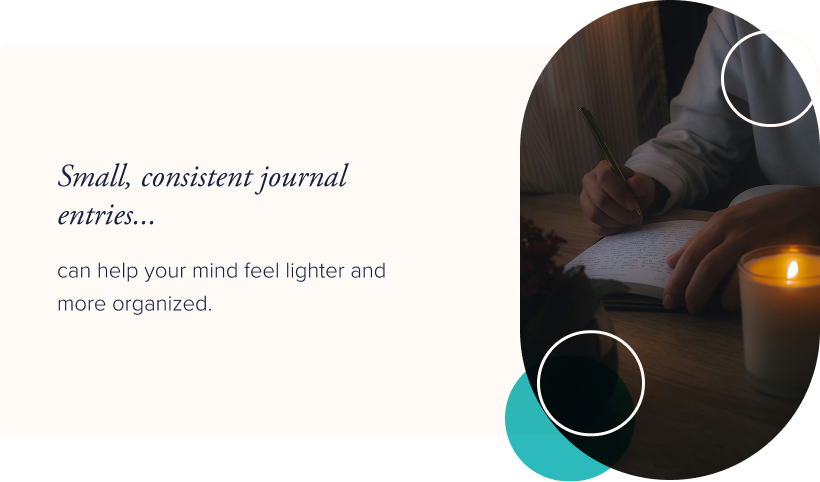
A simple way to begin is to set aside a few minutes each day and pick one technique from the list to try. Don’t worry about writing perfectly or covering everything, just focus on getting your thoughts onto the page. Over time, you can explore deeper reflections, but even small, consistent entries can help your mind feel lighter and more organized.
When stress starts to feel overwhelming, the most helpful thing you can do is pause and give yourself a moment to reset. Instead of pushing through the tension, take a few slow breaths and allow your body and mind to settle.
Small actions can make a big difference. Taking a short walk, stepping outside for fresh air, stretching your muscles, or practicing a quick breathing exercise can help interrupt the stress response and bring your nervous system back to balance.
When you have the time, you can try longer relaxation techniques like yoga, guided meditations, or journaling. By combining quick relaxation techniques for stressful moments and longer techniques for reducing daily stress levels, you can gradually respond to stress more calmly and prevent it from piling up each day.
Stress is a part of life, but learning strategies that truly work for you can help prevent it from taking over your health and well-being.
At Inner Balance Counseling, we provide personalized, research-based therapy techniques for stress relief and management. Our team works with you to identify the tools and practices that fit your life, so you can feel calmer, more focused, and in control.
Take the first step toward balance—reach out today to get started.
Sign up with your email address to receive news and updates.

%201.svg)
With both in-person and online therapy options, we want to make therapy accessible and inclusive.
Your message will be sent directly to the therapist or counselor via email. Email is not fully secure during transit, so please avoid sharing sensitive information such as medical or insurance details. Your messages are also stored securely in our protected message center, accessible only to the professional you contact.
By using this form, you agree to our Privacy Policy and Terms, and consent to your message being sent and stored as described.
If this is an emergency do not use this form. Call 911 or your nearest hospital.
This site is protected by reCAPTCHA and the Google Privacy Policy and Terms of Service apply.