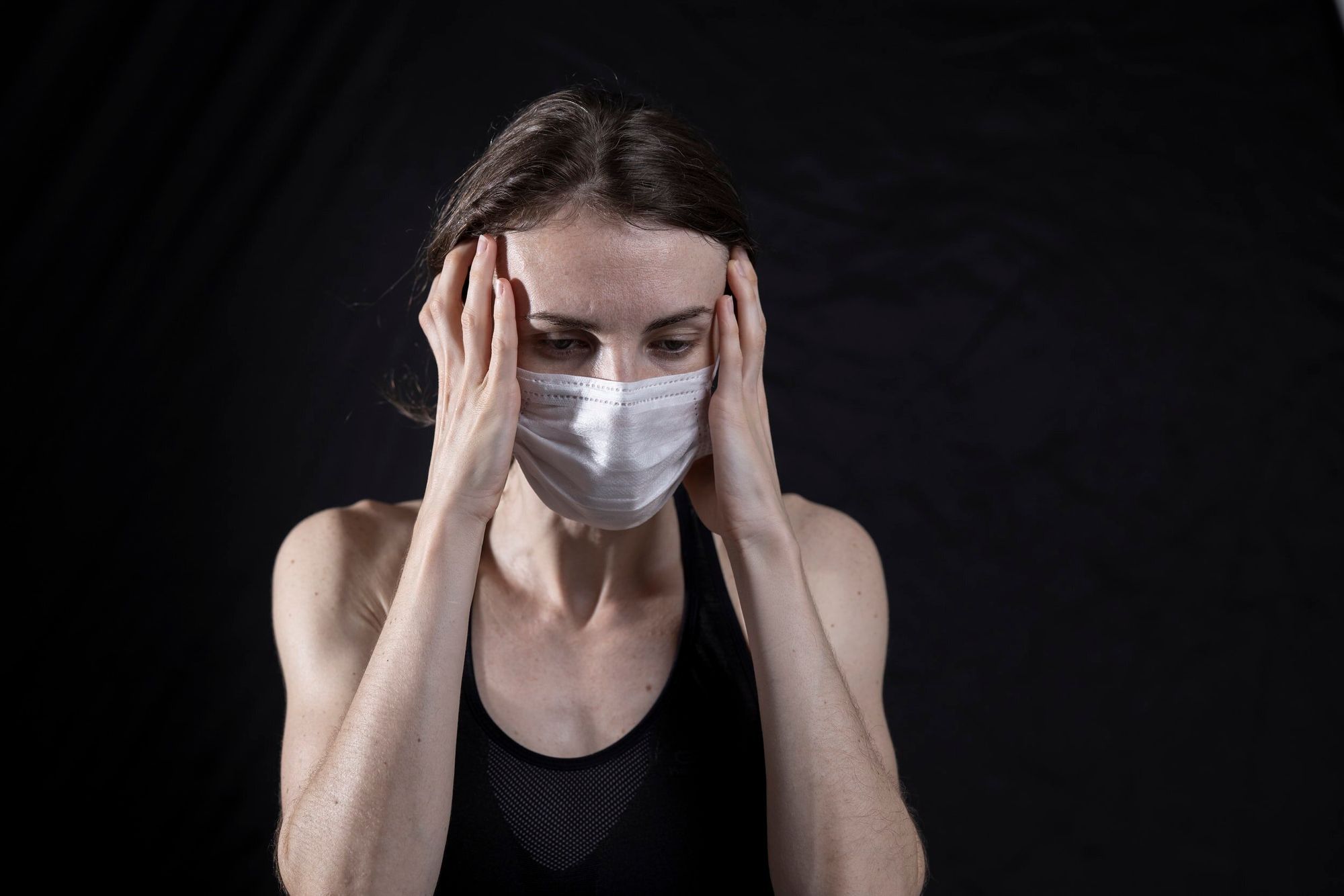
Now that more familiar activities are resuming after several months of isolation and social distancing, people are experiencing new or worsening anxiety. While conversationally chatting with people at work or in the store was previously a social norm many of us have been exposed to, the thought of returning to that behavior may feel overwhelming for many. Perhaps it feels weird to engage in small talk, perhaps you feel you have forgotten how to behave around others, or maybe you feel anxiety about trying to keep up with social norms. Or maybe, you experienced social anxiety prior to the pandemic and the thought of being in situations you previously dreaded following more than a year of isolation is exacerbating your anxiety symptoms.

Many Americans have reported an increase in social anxiety following the extended period of isolation. Part of this experience is connected to the reality that isolation was a recommendation for decreasing exposure and risk, and with that some level of social anxiety became the norm as we avoided contact with others. As many aspects of life are becoming more familiar to pre-pandemic circumstances, those experiencing social anxiety are now tasked with learning how to face society again and how to cope with their symptoms of anxiety.
While many recommendations for becoming adjusted to societal interactions indude leaving the house once per day even if only for a walk, visiting more familiar places to reorient yourself, and continuing to maintain virtual social connections, another important recommendation is to work with a professional. Mental health therapists can provide you with skills to help increase your ability to cope with anxiety about social situations and can even help you process some of the underlying issues surrounding social anxiety. You can even work with a therapist to create goals about now you will approach and face your anxiety.
If you would like to start exploring ways to cope with anxiety on your own, consider the following recommendations:
– write down what is worrying and place it into a box with the intention to not think about it
– practice mindfulness and learn to notice and observe your thoughts and feelings about anxiety in a non judgmental way
– practice breathwork, focusing on inhaling for 4 counts, pausing for 4 counts, exhaling for 4 counts, and then pausing again for 4 counts before repeating the cycle
– practice self-compassion and go at your own pace when experiencing social anxiety
It is important to know that you are not alone in your experience of social anxiety. Much has changed in the last year and there is a new period of change which demands adaptation. Try some of the recommended coping skills and please consider reading out to our office to schedule an appointment if you feel you would benefit from additional support.