
Stress is a universal experience for the entire human race. How everyone experiences it, how it affects them, and how they cope varies greatly from person to person.
Considering stress is something we can’t completely avoid, it is important to understand how it manifests and how to manage it.
Stress is the body’s natural physical, mental, and emotional response to demands, challenges, or change. According to the American Institute of Stress, stress is not always negative. It can arise from both difficult experiences and positive life events.
When stress occurs, the body activates its natural survival response, often called the fight-or-flight response. In short bursts, stress can increase alertness, motivation, and performance. However, when stress becomes frequent, intense, or long-lasting, it can begin to affect your mental health, physical health, relationships, and overall quality of life.
Stress can come from external stressors, such as work demands, financial pressure, major life changes, health issues, or relationship conflict. It can also stem from internal stressors, including perfectionism, negative self-talk, unrealistic expectations, or chronic worry.
Because stress affects everyone differently, a situation that feels manageable to one person may feel overwhelming to another.
Another survey found that 45% of people thought moving house was the most stressful event of their lives.
Short-term stress is a normal part of life, but chronic stress can take a serious toll on the body and mind. Long-term activation of the stress response has been linked to anxiety, depression, sleep problems, digestive issues, headaches, muscle tension, weakened immunity, high blood pressure, and increased risk for cardiovascular disease.
Stress can also affect concentration, productivity, emotional regulation, relationships, and overall life satisfaction. When stress goes unmanaged, it may contribute to burnout, emotional exhaustion, and difficulty functioning day-to-day.
Not all stress is harmful. Positive stress, sometimes called eustress, can motivate growth, improve focus, increase resilience, and help people rise to challenges.
Examples of positive stress may include preparing for a presentation, starting a new job, training for a goal, or adapting to an exciting life change. When stress is temporary and manageable, it can sharpen performance and help build confidence and problem-solving skills.
Stress management is not a one-size-fits-all approach. Different people not only react to different stressors, but they also need management techniques that work for them.
Intentional relaxation can help calm the nervous system and interrupt the body’s stress response. Techniques such as deep breathing, mindfulness, meditation, progressive muscle relaxation, stretching, and guided imagery can help reduce stress symptoms and improve emotional regulation over time.
You may need to do some trial and error to find the stress management strategies that work best for you. The stress you’re dealing with, how it affects you, and how you cope with it is going to be different from that of another person. Disengage from the Media So, how you successfully manage stress individually is going to be different too.
Many people handle stress through negative coping mechanisms and seeking temporary relief. Lashing out at others, avoiding people and responsibilities, oversleeping, and binge eating or drinking are common unhealthy ways of dealing with stress. These approaches may feel good in the moment, but they do not solve anything and will likely cause more issues in the long run.
Avoid giving in to these destructive coping mechanisms and find healthier alternatives to handle your stress.
Exercise, meditation, self-care, and creative hobbies are great ways to decompress.
Many people handle stress through negative coping mechanisms and seeking temporary relief. Lashing out at others, avoiding people and responsibilities, oversleeping, and binge eating or drinking are common unhealthy ways of dealing with stress. These approaches may feel good in the moment, but they do not solve anything and will likely cause more issues in the long run.
Avoid giving in to these destructive coping mechanisms and find healthier alternatives to handle your stress.
Exercise, meditation, self-care, and creative hobbies are great ways to decompress.
Oftentimes, stress can come from procrastination and overcommitting. Prioritize the most urgent tasks and items on your to-do list.
If you find yourself thinking that there aren’t enough hours in the day, make time to evaluate your schedule. Are there things that you don’t need to do? Are there things that you can ask someone else to take over?
Make sure you not only organize your to-do list but also schedule out some time for fun, relaxation, and self-care. No one can go, go, go without eventually getting burned out. Carve out time for yourself for the things and people you love. Even in cases of big, life-changing events, taking care of yourself is paramount. Make a goal to try to do at least one thing you enjoy every day, even if it is just for a few minutes.
As mentioned before, some stress is avoidable or even self-inflicted. In those cases, take action to do something about it. One of the most effective ways of handling chronic stress is to alter the situation or adapt yourself to the situation.
A well-balanced diet helps provide the nutrition and energy you need to face stressful situations and handle them well. It keeps your body and mind healthy and fit to take on the day.
It may be tempting to retreat and isolate yourself when you are stressed, but seeking comfort and support from friends and family is a healthier option. Disengage from stressful situations by just taking your mind off your worries or vent about them in a safe space. Just make sure you are not dumping on them without their consent.
Therapy can be vital in stress management. Therapy is useful in helping those with chronic stress function better day-to-day, and for those working through major life challenges..
It may be tempting to retreat and isolate yourself when you are stressed, but seeking comfort and support from friends and family is a healthier option. Disengage from stressful situations by just taking your mind off your worries or venting about them in a safe space. Just make sure you are not dumping on them without their consent.
Therapy can be vital in stress management. Therapy is useful in helping those with chronic stress function better day-to-day, and for those working through major life challenges.
When things get overwhelming, use your senses—touch, smell, sight, and hearing—to calm down. Listening to your favorite song, holding a familiar object, or smelling a nostalgic smell.
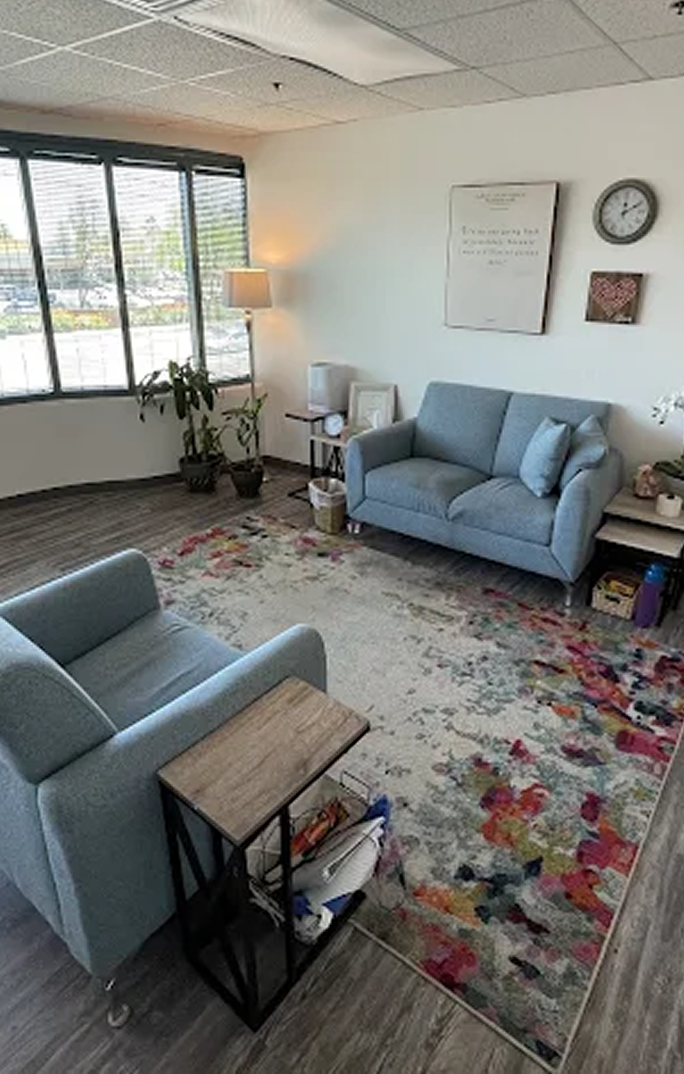
We all have stress, and finding relief strategies that are suited for you may take some time to figure out, but it is going to help you keep your stress in check and prevent it from taking over your life or damaging your health.
Inner Balance Counseling can help you find what works for you and provide effective, research-based therapy techniques for stress relief and management that can help improve all areas of your life.
Check Your
Insurance Coverage
Testimonials

“The staff at Inner Balance Counseling is very professional and supportive. They guided me to Jennifer Rizzo. I’m very glad that they did. Jennifer is professional, caring, and always knew what to do and say. Jennifer is also very accommodating to my needs and schedule. I highly recommend Jennifer and Inner Balance Counseling.”
-Richard L.
Meet Our Providers

YOUR PAST DOESN’T DEFINE YOUR FUTURE
There’s never been a better time to begin. Our trauma-informed therapists are ready to support you.